
Horse or Zorse? Breed feature: Zorse
August 10, 2025
By Irina S. 10/08/2025
A horse was never a zebra. And a zebra was never a horse. But a zorse is both a zebra and a horse. These unique animals and the other equine-zebra combinations are all called zebroids. A zorse is the crossing of a male zebra and a female horse. The general rule for naming a zebroid is a portmanteau of the sire and dam's names.
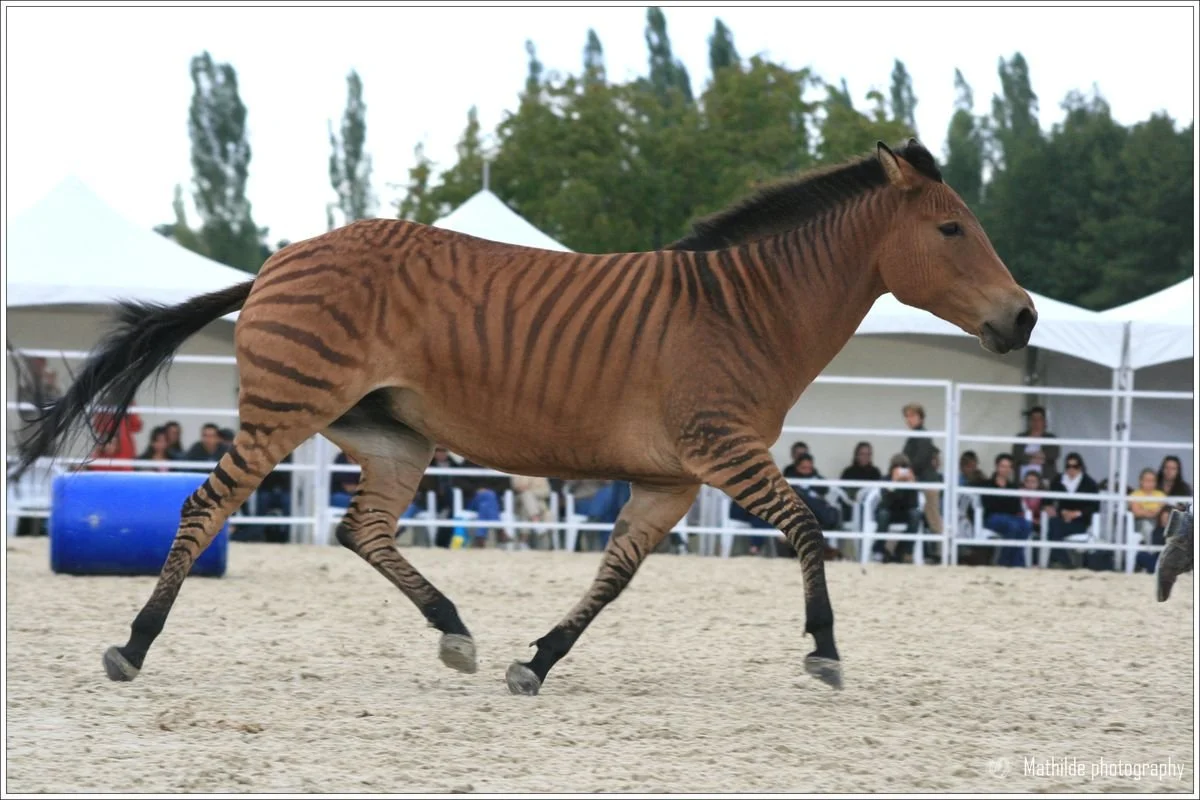
Now what would a cross between a zebra and a horse even look like? Zorses resemble both their parents. Although the stripe markings are usually limited to parts of their head, neck, legs, barrel, and rump, they can have any horse coat color and markings. Zorses generally inherit their mother's coat and have the zebra stripes from their sire. Zebroids like zorses, zedonks, and zonys are in most cases sterile due to the parents each having a different number of chromosomes. This leads to the inability of the chromosomes to properly pair up in meiosis. Apart from this genetic mishap, zorses sometimes suffer from dwarfism, bringing their general height to smaller than both parents. However, most zorses vary between 13.3hh to 17.3hh in height.
The history of zorse breeding dates back to the 19th century. In 1815, Lord Morton decided to cross his Arabian mare with a quagga stallion. The result? A fascinating equine which sparked the interest of Cossar Ewart, Professor of Natural History at Edinburgh and geneticist. He went on to creating zebra-pony hybrids to explore the theory of telegony.
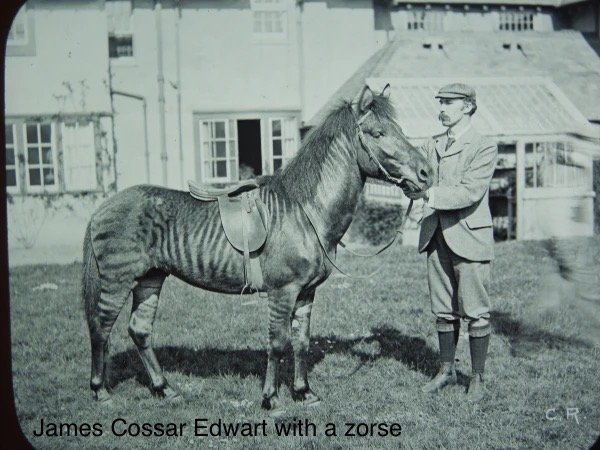
Even Charles Darwin mentioned these zebroids in his writings. Chapman's zebras were later crossed with ponies by the Boers during the South African War. The cross showed resistance to sleeping sickness and proved their work capability. The first intentionally bred zorses were produced by the U.S. government and reported in Genetics in Relation to Agriculture in the early 20th century.
Zorses have proven their power over the years. Competent for military, agricultural, and ridden work. Although they can be trained, they have a lot of the zebra's feral side and will probably never be fully domesticated. They thrive as herd animals, running free through the plains.
Thank you so much for reading!
This article is entirely written by myself after doing extensive research and no phrases have been copied from other sources without being quoted.
If you enjoyed this post, you might like my article on the Perzewalski's horse where I also unbox a retired Schleich model horse: https://naturefoxes.com/2025/05/14/unboxing-a-very-special-schleich-horse-przewalskis-horse-retired-schleich-model-horse-unboxing/
